
Spotlights
The Right Kind of Attention
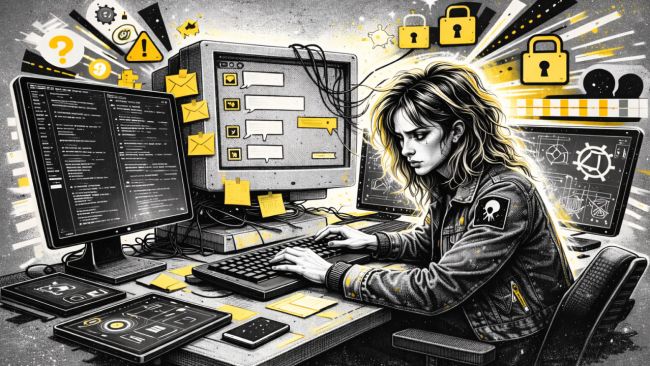
Instructor oversight of student-AI interactions sounds like responsible design. But students who know they're being watched write cleaner prompts, ask fewer "stupid questions", or abandon the tool altogether. The problem isn't just visibility, but what visibility is assumed to mean.
Hitting the Invisible Wall: Lessons from experimenting with custom chatbots in higher education
The challenge is not just what AI tools can do, but how far pedagogical intent can be realised within their constraints. We realised the limits we were facing were not prompt-level problems, but architectural ones.
Humans stay at the heart of AI mission as SMU looks both inward and outward, says provost Alan Chan
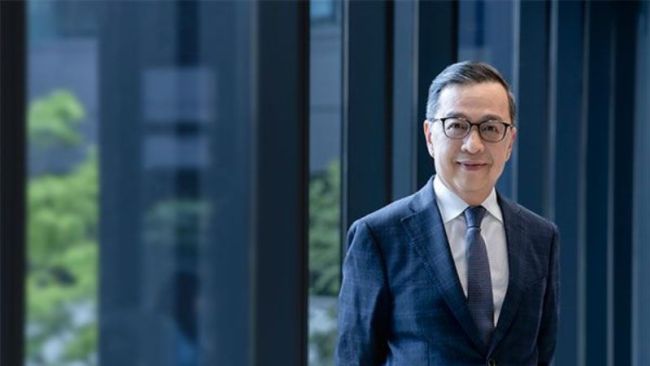
When potential cases of unauthorised use (of AI) arise, we review them holistically using academic judgment and direct engagement with the student. Students are given the opportunity to explain their thinking and working process, and decisions are made carefully, recognising that AI tools can produce false signals and that learning contexts vary.
Chatbots, tutors and sparring partners: How Al is changing university learning in Singapore
A recent Straits Times news feature highlights how SMU students use an Al "design thinking bot" to practise negotiation and refine their problem-solving. The tool (co-developed by Senior Lecturer of Information Systems Kiruthika Ramanathan) prompts them to test assumptions with virtual stakeholders, leading to deeper real-world conversations and more human-centred solutions.

AI and Critical Thinking
CTE Director Prof. Tamas Makany writes about Building Confidence for Class Participation in Section 9.1 of The State of AI Ethics Report (Volume 7) - AI at the Crossroads: A Practitioner's Guide to Community-Centered Solutions, published by the Montreal AI Ethics Institute.
Rethinking University Curricula, Assessments, and Pedagogy
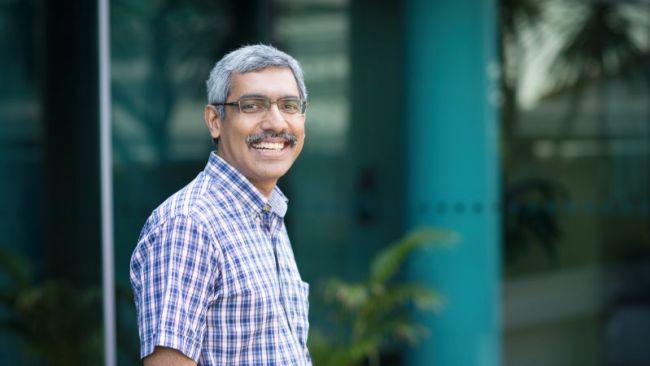
Vice Provost (Education) Prof. Venky Shankararaman shares his thoughts in a radio interview on Money FM 89.3.