
Zhongni Distinguished Educator Award
About the Donor and Award
Zhongni, the courtesy name of Confucius, who is well known universally for his wisdom and devotion to holistic education. It aptly brings out the aim of this Award, to recognise and celebrate whole-person education, which is the hallmark of Confucian education and which integrates intellectual and cultural attainments with ethical excellence embodying the enduring values of humanity (rén), integrity (yì), respect (lǐ), wisdom (zhì), and the teacher’s mission to propagate wisdom (chuán dào), impart professional knowledge (shòu yè), and resolve doubts (jiě huò). By naming this the Zhongni Distinguished Educator Award, the donor, Professor & Mrs Lee Swee-Huat would like to honour the timeless ideals of selfless mentorship, character formation, and the pursuit of harmony and humanity of excellent teachers. The Award affirms the pivotal role educators play in shaping minds and communities, towards Confucius' ultimate vision of a peaceful and better world for all (dà tóng shì jiè).
An educator himself, the donor’s philanthropic vision is rooted in his belief that educators are the cornerstone of a thriving and happy society through transformative education. Through this award, he seeks to elevate the visibility of exceptional teaching to inspire scholars to pursue excellence not only in research but also in education.
Zhongni Distinguished Educator Award Recipient
2026
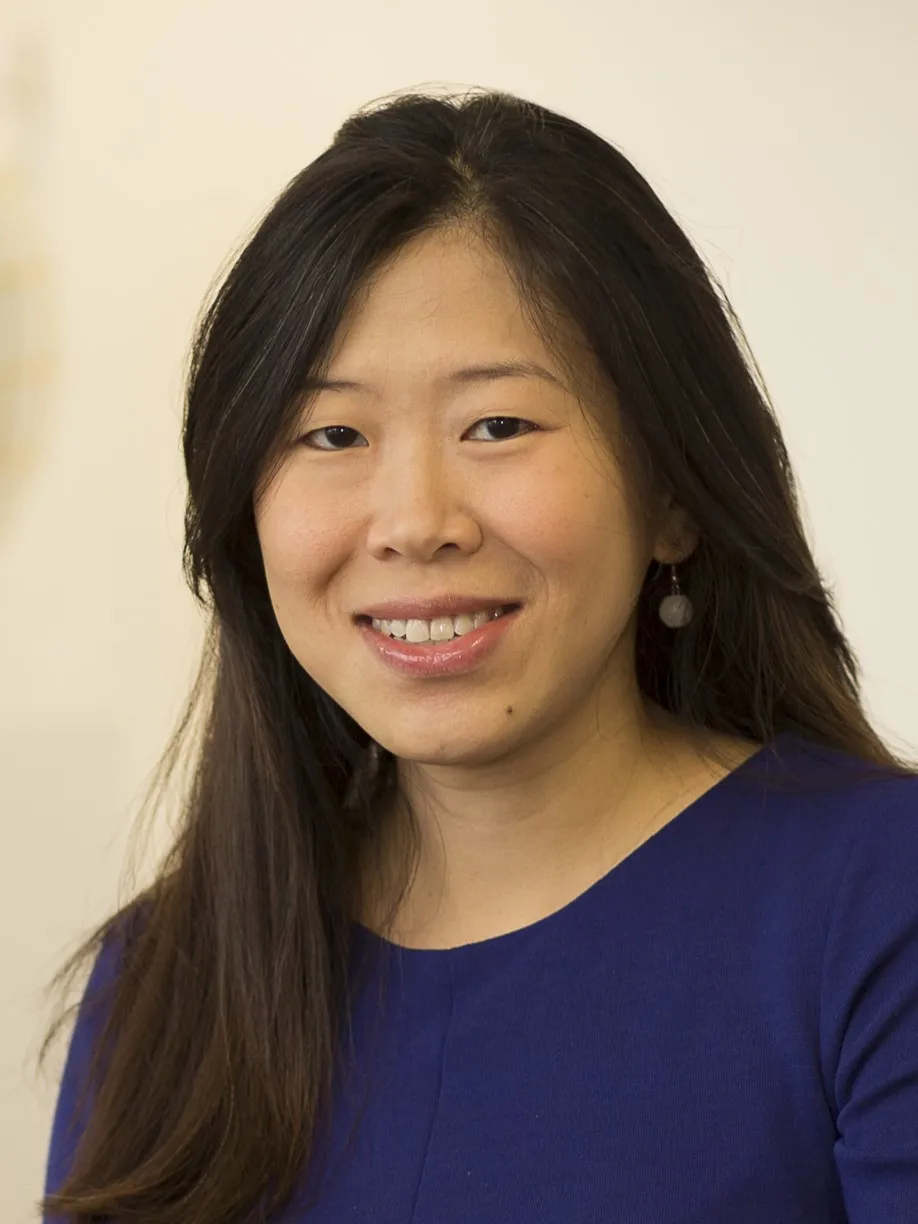
Michelle P LEE
Associate Provost (Undergraduate Education); Associate Professor of Marketing (Education)
Lee Kong Chian School of Business
Associate Professor Michelle P Lee is an accomplished educator, academic leader, and scholar who has helped shape SMU since its founding. Joining LKCSB as a faculty member in 2000, she has contributed to the university's educational mission and institutional development for over 25 years. Her commitment to teaching and learning, and her strong pedagogical vision is evident in the many roles she has undertaken, from designing courses and developing curricula to supporting colleagues' development and leading university-wide educational initiatives. Her service to Singapore has also been recognised with three National Day Awards from the Prime Minister's Office: the Commendation Medal (2010), the Public Administration Medal (Bronze) (2016), and the Long Service Medal (2025).
Over 25 years of University Service
Associate Professor Lee has served on numerous task forces and committees, for both LKCSB and SMU, spanning curriculum review, scholarships, teaching excellence, and institutional development for over two decades. In many of these roles, she helped build systems and frameworks from the ground up, contributing to major University-wide outcomes.
As Associate Provost for Undergraduate Education since 2021, she has led and contributed substantially to major curriculum, pedagogical, and policy reforms. Translating her research insights into educational policy, she developed SMU's Framework for Sustainability Education, which maps progressive levels of learning and introduced a new sustainability graduation requirement. She also developed SMU's Framework for the Use of Generative AI Tools, helping the university respond thoughtfully to the opportunities and challenges presented by emerging technologies. She chaired the taskforce that reviewed and enhanced the undergraduate Core Curriculum. In area of developing new courses, she led the launch of the Climate Change Guided MOOC, redesigned the Work-Study Elective and introduced the Societal Impact Elective. Her commitment to students was especially evident during the Covid-19 pandemic. Beginning in February 2020 when she was Associate Dean for Undergraduate Programmes at LKCSB, she helped coordinate the rapid transition to online teaching and assessments, while engaging directly with students and families to ensure that academic interventions were accompanied by care and support. While Professor Lee was Associate Dean at LKCSB, she also launched the Sustainability second major and the Digital Business second major.
Associate Professor Lee's service to SMU began even in its founding years, where she helped establish essential systems and infrastructure, including SMU's first behavioural research laboratory, the subject pool system for tracking and rewarding student research participation, and the acquisition of marketing resources for the library, all of which laid a strong foundation for behavioral research at SMU. This long-standing record of service demonstrates her contribution not only to individual teaching, but also to the scholarly and institutional foundations, has enabled students, educators and researchers alike to thrive.
Inspiring Students and Advancing SMU's Teaching Community
Since 2004, Associate Professor Lee has appeared on the LKCSB Dean's Teaching Honour List 17 times, including every year from 2019 to 2025. She has taught across SMU's educational spectrum, from undergraduate, Master's and PhD programmes to executive development, bringing research rigor and academic scholarship to the classroom at every level. Through courses in marketing, marketing strategy, and sustainable consumption, she connects academic theory with real-world challenges and encourages students to consider the broader societal consequences of business decisions. Her use of case analyses, industry deep-dives and applied projects makes learning accessible, relevant and memorable. Students value her expertise and enthusiasm, as well as her ability to inspire reflection and leave a lasting impression beyond the classroom. Her teaching exemplifies SMU's commitment to developing thoughtful, capable graduates who create meaningful impact in business and society.
Her co-authored book on SMU's strategy, Creating a New Management University: Strategic Evolution of Singapore Management University published in 2022, further reflects her contribution to the scholarship of teaching and learning at an institutional level. It offers a reflective, scholarly account of how a new model of management education was built, written by an educator who helped build it. This commitment to holistic education also informs her work with colleagues. Through her service on the Gender Equity Taskforce, she has helped build a more supportive environment in which fellow educators can thrive. At international forums, she has also represented SMU's educational philosophy at the European Foundation for Management Development (EMFD) Annual Conference, and the Global Business School Network (GBSN) conference. She has also been active on the national front, having served on the AU Lifeskills Framework Workgroup, as well as the AACSB Asia Pacific Council, contributing her expertise to the governance, quality assurance, and strategic direction of higher education across the region.
Scholarship and Recognition
Associate Professor Lee's rigorous scholarship and expertise in marketing, consumer behaviour, behavioral decision-making, and sustainability has earned international recognition beyond the university, such as the Curtis Tate Best Paper Award from the North American Case Research Association (NACRA) in 2025 for her case on Marou Faiseurs de Chocolat: Growing a Sustainability-Focused Bean-to-Bar Brand, co-authored with Prof Rama Seshan Ramaswami. This award highlights her major contributions to case-based research and pedagogy, forming part of a published portfolio of teaching cases widely adopted across international business schools. Her scholarly work on sustainable behaviour has also led to teaching and public engagements, including thought leadership commentaries in The Straits Times, media interviews and invited talks on consumerism, sustainability and the impact of artificial intelligence on education.
Associate Professor Lee has also published in top journals in her field, including the Journal of Consumer Research, Journal of Marketing Research, and Journal of Consumer Psychology. Within SMU, she served on the Institutional Review Board (IRB) from 2007 to 2014, including a year as Acting Deputy Chairperson in 2012, and received the Exemplary IRB Committee Member Award in 2014.
2025
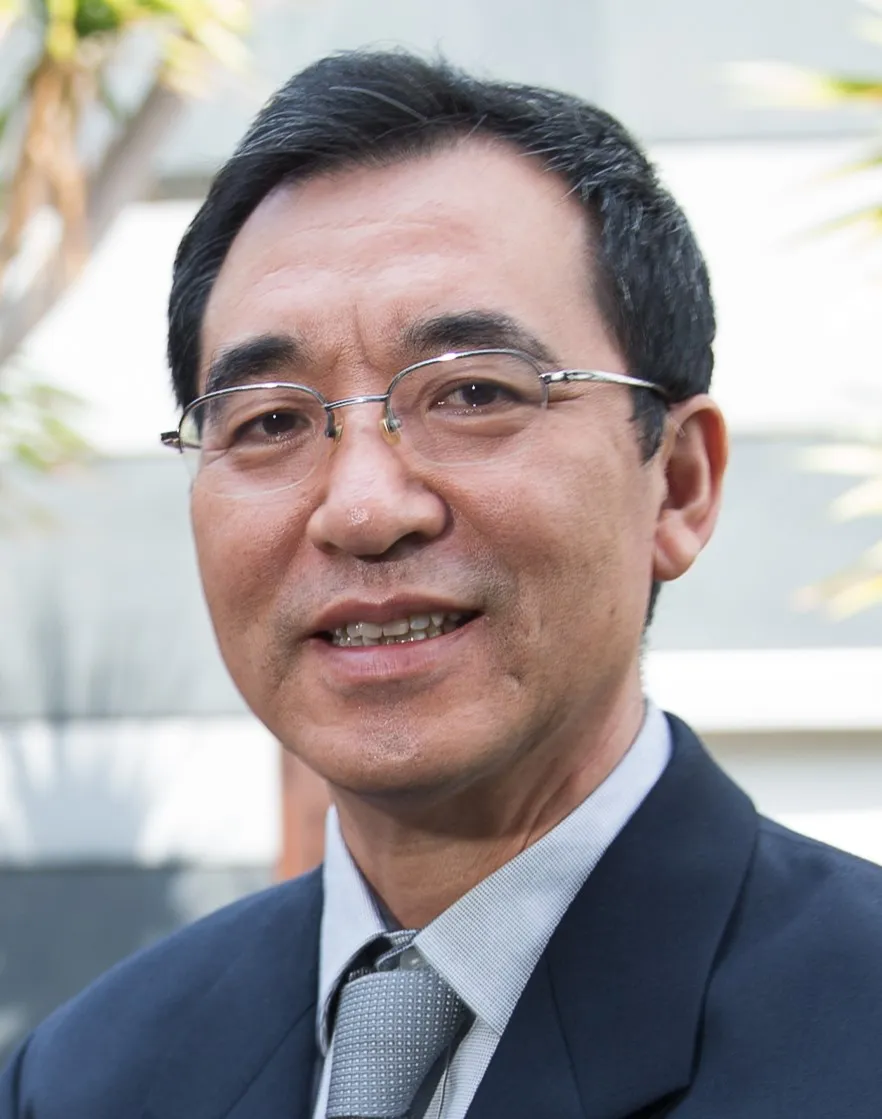
Robert DENG Huijie
Professor of Computer Science
School of Computing and Information Systems
Professor Robert Deng Huijie is an internationally renowned educator and scholar, whose career in Cybersecurity and Cryptography spans over four decades. Since joining SMU School of Computing and Information Systems (SCIS) in 2004, Professor Deng has established a distinguished record of scholarship, leadership, and mentorship, continually setting new benchmarks and inspiring students and peers to do likewise. He was conferred the prestigious AXA Chair Professorship in March 2017. In 2020, Professor Deng received the Public Administration Medal (Silver) National Day Award for his significant contributions to Singapore. He is also a Fellow of the Institute of Electrical and Electronics Engineers (IEEE), the Singapore Academy of Engineering (SAEng), and the Asia-Pacific Artificial Intelligence Association (AAIA).
Academic Service
Professor Deng’s leadership and service to SMU is inextricably tied to the development and growth of Ph.D. programmes, particularly at SCIS. As Director of SCIS Research Centre from 2004 to 2012, he was instrumental in setting up management policies and processes for funded projects, enabling significant research activities at SCIS. From 2006, Professor Deng served as Associate Dean (Faculty), setting the foundations for SCIS’s faculty hiring strategy and performance evaluation framework. At the same time, Professor Deng worked closely with Professor Pang Hwee Hwa, the founding director of the SCIS Ph.D. Programme, to formulate the programme proposal, curriculum structure and policies, and then served on the Ph.D. programme committee till 2014. By leveraging Professor Deng’s extensive credentials and professional networks, SCIS was able to attract high-quality Ph.D. students even from its early years. For instance, the student exchange programme he initiated between the College of Computer Science and College of Software Technology at Zhejiang University with SCIS attracted talented undergraduate students to SMU between 2006 and 2011, including several who went on to join SCIS’s Ph.D. programme. Between 2016 and 2018, Professor Deng served as SMU Dean of Postgraduate Research Programmes, and spearheaded key initiatives that enabled the establishment of Dual Degree and Joint Degree Ph.D. programmes, Fast-track Master-Ph.D. programmes, Integrated Master-Ph.D. programmes, the Multidisciplinary Doctoral Fellowship, Interdisciplinary Doctoral Programme, and the Postgraduate Research Programme Committee. Under his academic leadership, SMU enhanced the use of social media marketing for Ph.D. programme outreach and introduced schemes to address existing constraints on Ph.D. head count caps, significantly accelerating the growth of SCIS’s Ph.D. programme. Currently, Professor Deng is the Deputy Dean of Faculty and Research at SCIS.
Teaching and mentorship
Professor Deng’s contributions to both undergraduate and postgraduate curricula started from SCIS’s earliest years, before the world came to recognise Cybersecurity’s importance. Under Professor Deng’s leadership, Cybersecurity was included in the B.Sc. (Information Systems Management) core curriculum in 2004, which today has also evolved into a full Cybersecurity track in the B.Sc. (Computer Science) degree. For postgraduate programmes, he designed three of the four Cybersecurity postgraduate courses he taught, including IS702 Information Security, a mandatory course in the Cybersecurity area, and a popular course even for Ph.D. students from other areas. Because of the pivotal role he has played in shaping SCIS’s postgraduate curriculum, Cybersecurity is now one of the primary areas for Ph.D. in Computer Science and MSc (Computing) degrees. Professor Deng has personally mentored generations of Ph.D. students, engineers and scientists in their research careers. Within SMU, numerous tenure-track junior faculty at SCIS have benefited from his mentorship, some of whom are now full professors fronting significant research programmes of their own at SMU, or at other institutions, such as the University of Oregon. Beyond SMU, Professor Deng’s students have also taken on faculty positions at institutions including Nanyang Technological University, Singapore University of Social Sciences, University of New South Wales, Xidian University and Jinan University, as well as leading industry positions at global corporations such as Google, ByteDance, Huawei, MediaTek, Standard Chartered and Singapore Airlines.
As an educator, Professor Deng’s was deeply concerned with the quality curriculum delivery and learning experience within the classroom. He proposed innovations in teaching Cybersecurity, such as including substantial hands-on activities into curriculum delivery, or replacing final exams with intense, bite-sized hackathons judiciously timed at critical milestones throughout an academic term. Among the multitude of students and peers mentored, many have highlighted Professor Deng’s ability to engage students by making complex concepts easy to follow while maintaining rigour. He is known for his gift in inspiring curiosity through critical thinking and real-world problem-solving, and the generosity of time, wisdom, and encouragement when challenges appear insurmountable.
Research
Professor Deng’s groundbreaking work in Cryptography and Cybersecurity has revolutionised protection standards in the smart card industry and mobile security. His innovations in privacy and security protocols have made today’s connected world a safer place, and his prolific research is exemplified by numerous peer-reviewed publications and patents from jurisdictions across Singapore, United States of America, United Kingdom, and Europe. Having attracted substantial funding from government agencies and industry partners such as the Singapore National Research Foundation, Cyber Security Agency of Singapore (CSA), and Huawei International, Professor Deng’s achievements have created funding and opportunities for generations of undergraduate, graduate students, and junior faculty at SMU. The public sector frequently calls upon him to contribute his deep expertise to national level initiatives. Professor Deng’s more recent roles include being the Chair of the Trust Tech Technical Committee of Digital Trust Centre (DTC Singapore), and member of the National Cybersecurity Research & Development Technical Review Panel.